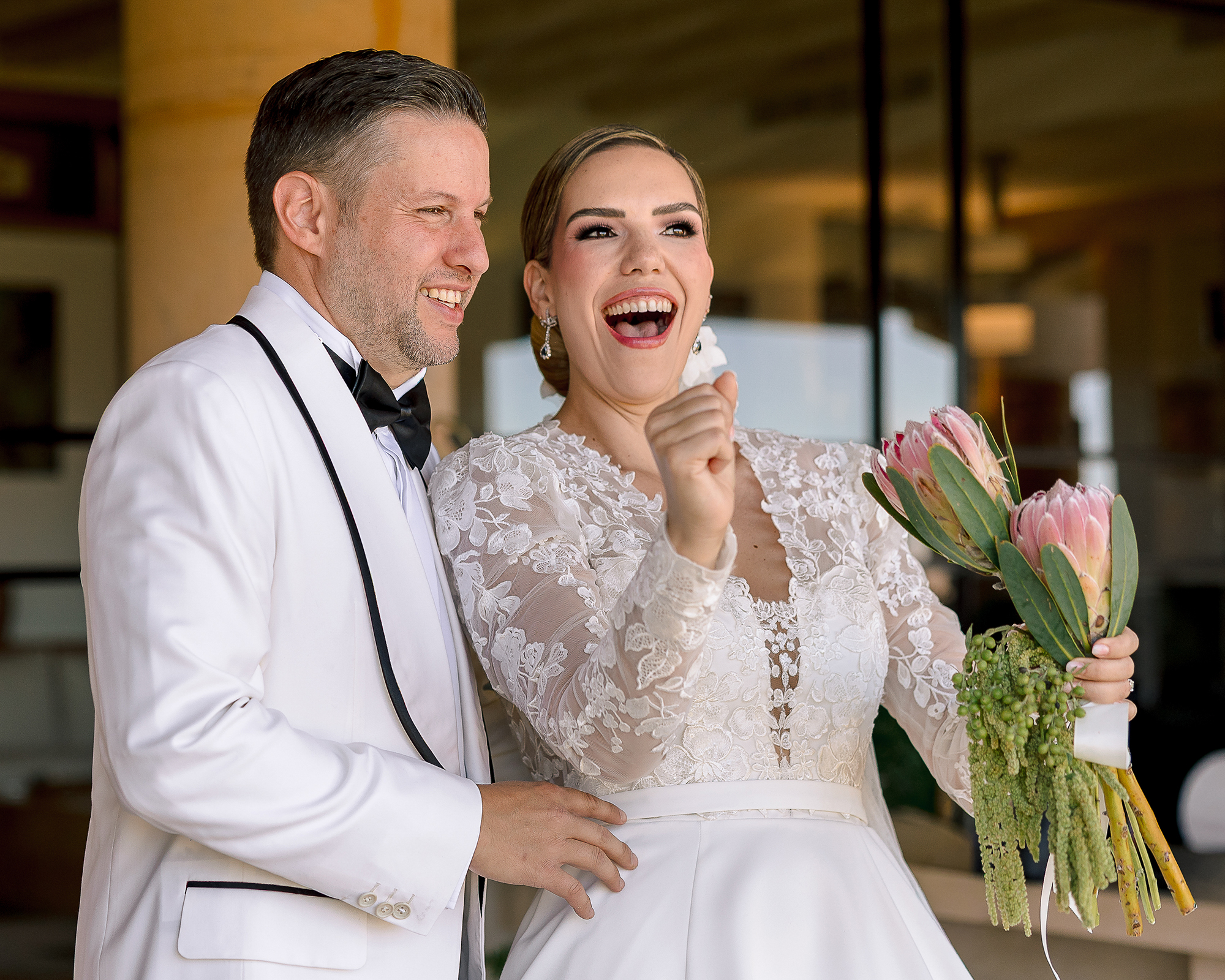
A wedding can look immaculate and still feel like a blur by the next morning. The flowers were perfect. The table linens were chosen with care. You remember walking down the aisle — but perhaps not the way your father exhaled before taking your arm, or the split second your best friend caught your eye during the vows. That is why candid wedding photos matter. They preserve the raw, messy, and electric reality that exists between the big moments.
The photographs that stay with you are rarely only the ones where everyone is standing still and looking their best. They are the ones that bring the day back into your body — the nervous laughter, the hand squeezed beneath the dinner table, the champagne spill that became the story everyone retold at brunch. A candid image does not merely show what happened. It reminds you how it felt.
Why candid wedding photos matter long after the party
A wedding gallery should not read like a checklist. It should move like a memory.
Years from now, you will want to see more than the ceremony kiss and the first dance. You will want to remember your grandmother watching from her seat, your friends losing all restraint on the dance floor, and the fleeting private moment you shared while the room was busy somewhere else. These are not side notes. They are the emotional architecture of the day.
Candid photographs preserve people as themselves. Your brother may never stand comfortably for a formal portrait, but he might throw his head back laughing during a toast. Your parents may be trying hard to keep their composure — until they are not. A camera that is present, observant, and patient can catch the truth before anyone has time to perform for it.
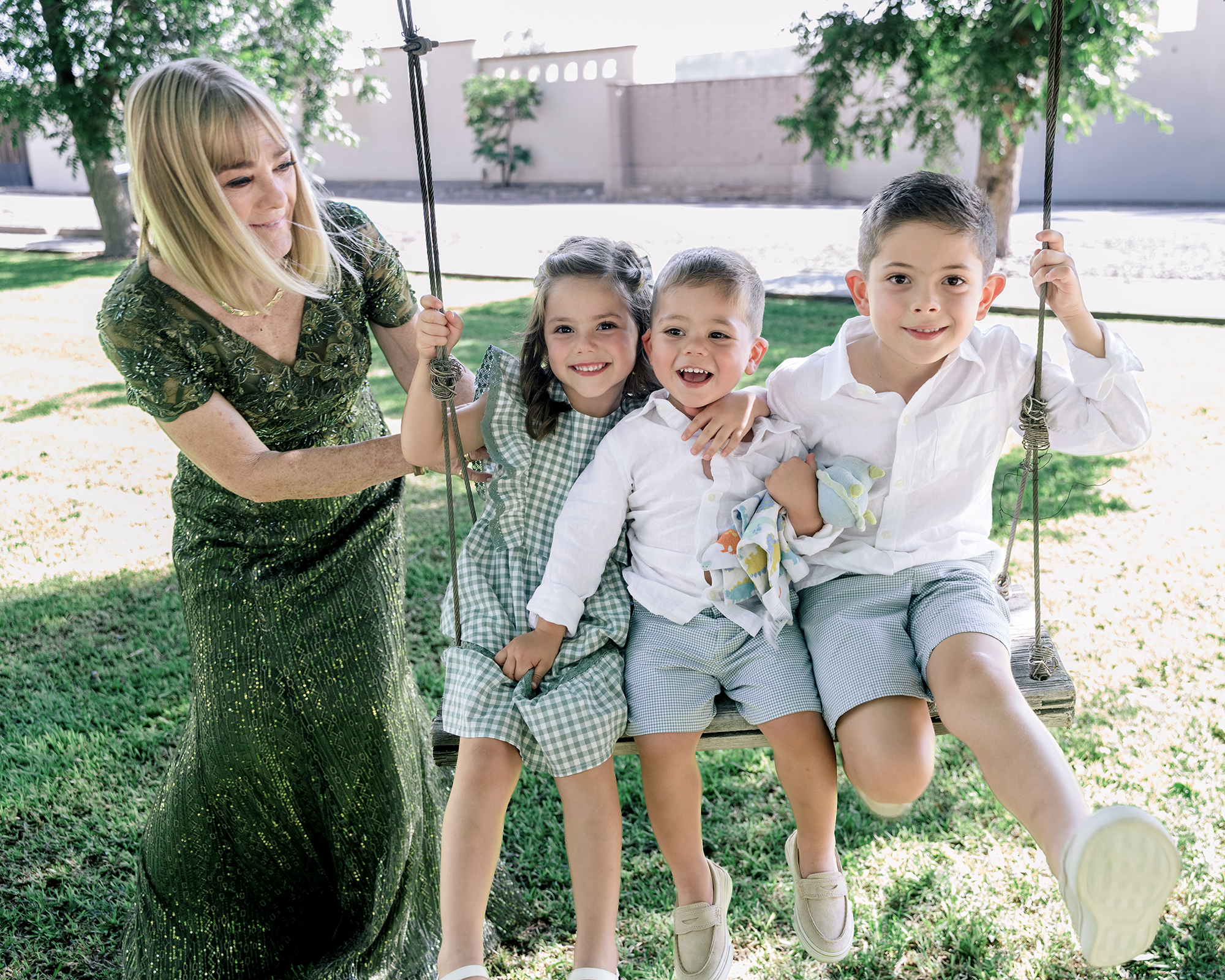
For destination celebrations, this becomes even more meaningful. A wedding weekend in San Miguel de Allende, Napa, the Riviera Maya, or the Amalfi Coast gathers people from different chapters of your life in one extraordinary place. The atmosphere is part of the story — but so is the way your college friends meet your partner's family, or the way your mother reacts when the mariachi begins. Those interactions cannot be recreated later. They happen once.
The difference between candid and careless
Candid photography is not an excuse for a photographer to disappear into a corner and hope for the best. The strongest unscripted images require attention, anticipation, and a clear sense of timing.
I am always watching for the moment before the moment: a bride taking a breath outside the suite before the ceremony, the groom adjusting his cufflinks as the reality of the day lands, a flower girl studying the dance floor before making her entrance.
The photograph is candid because the emotion is unforced. It is intentional because I know where to be, when to wait, and when not to interrupt.
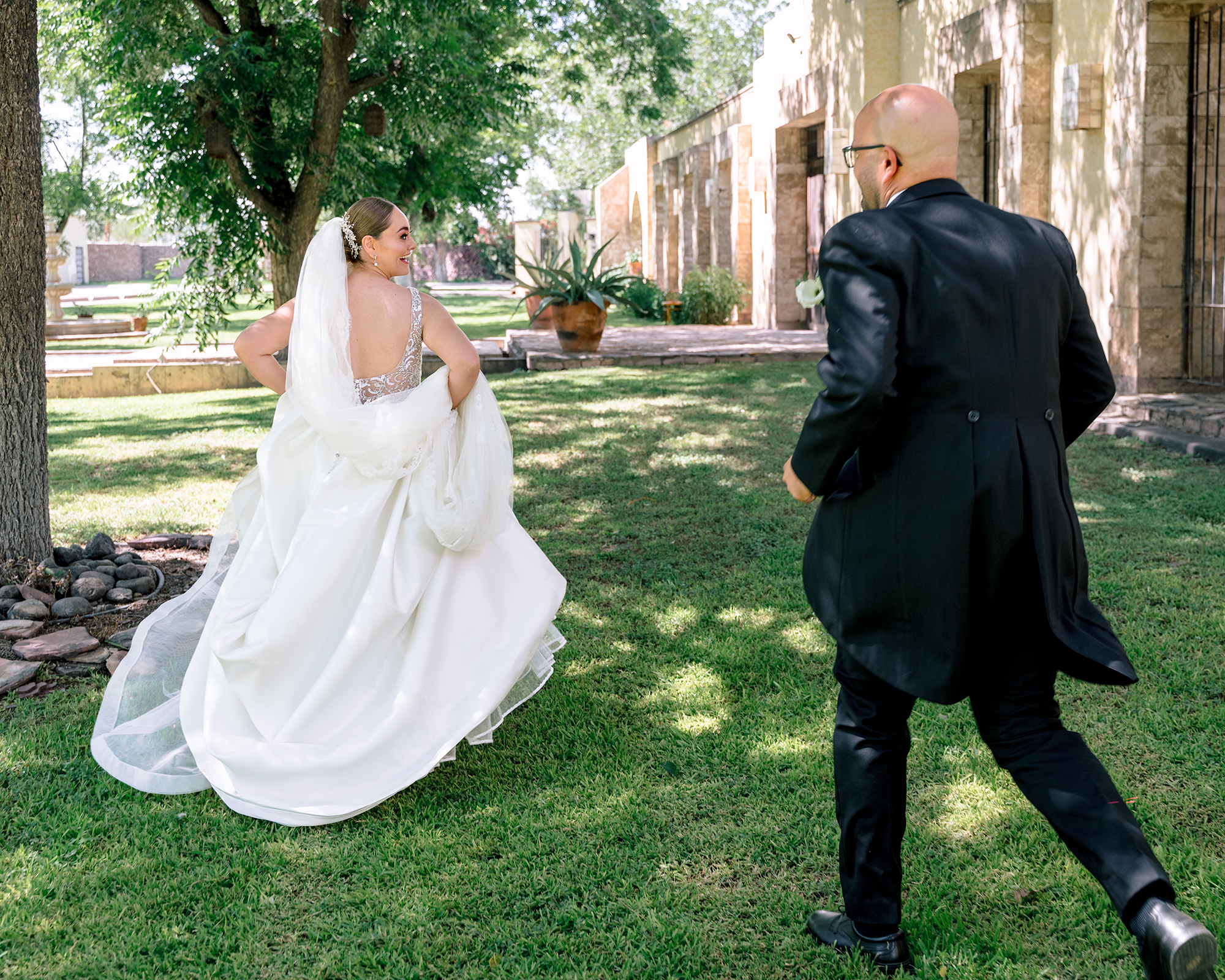
There is also a difference between a candid image and an awkward one. Not every unposed frame deserves a place in the final gallery. A great wedding photographer edits with discernment — choosing images that feel alive without being unkind, chaotic, or visually distracting. The goal is not surveillance. It is storytelling with empathy.
After more than 350 weddings, I have learned that calm coverage is not passive coverage. It is the ability to adapt without making the couple feel that their celebration has become a production problem.
The best wedding galleries have room for both
Choosing candid photography does not mean giving up beautiful portraits. It means refusing to let portraits consume the experience you have spent months planning.
You deserve the elegant image of the two of you at sunset, framed by colonial architecture or coastal light. You also deserve a gallery where your cocktail hour is not missing because everyone spent it in a photo line. The right balance is built through thoughtful planning — a focused family portrait list, enough time for a few editorial images, and the freedom to return to your guests while the energy is still high.
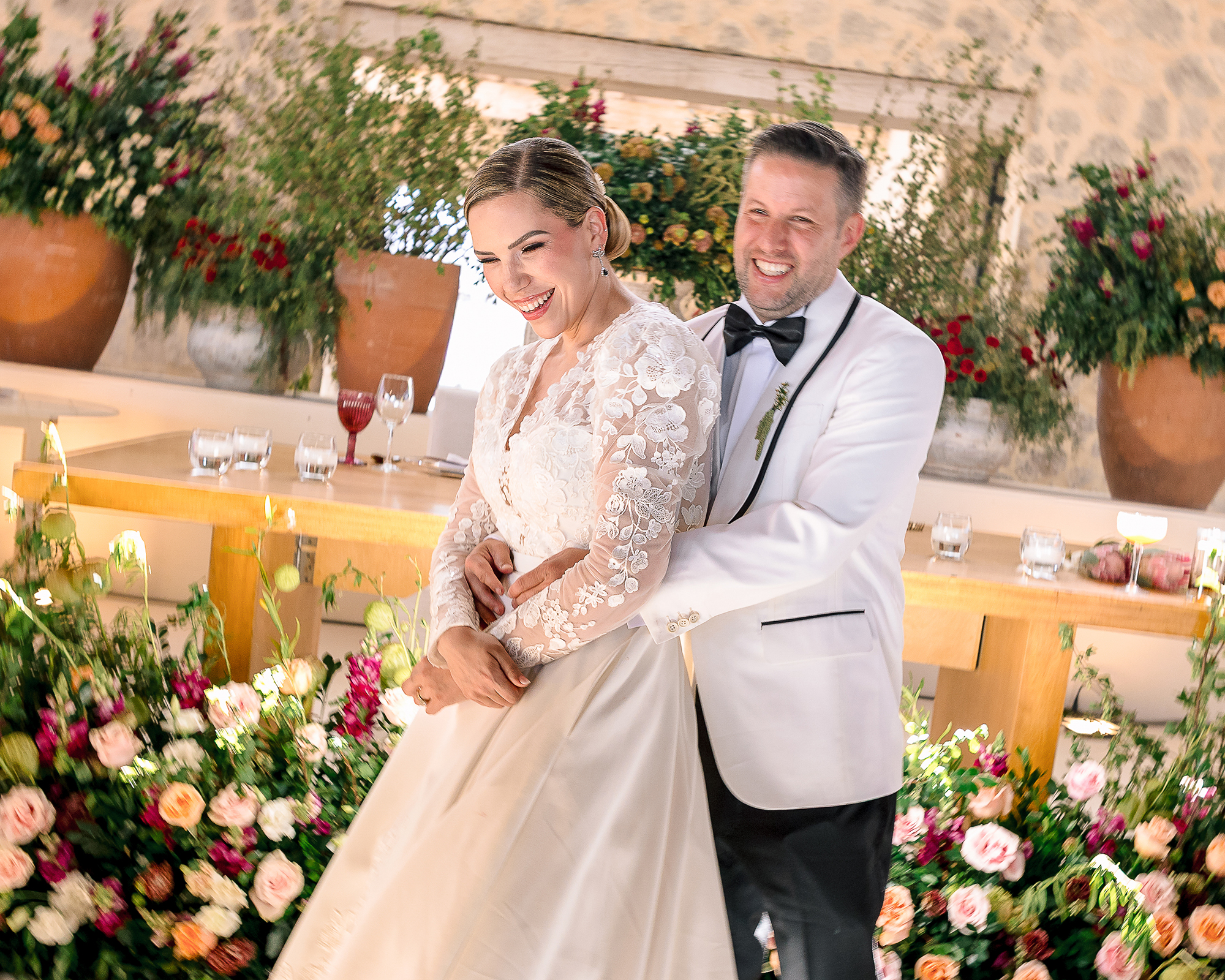
Some moments benefit from gentle direction. I may place you near better light, ask you to walk slowly toward one another, or give you a small prompt that takes your attention away from the camera. Then I step back. The point is never to manufacture a personality that is not yours. It is to create enough space for the connection already there to show itself.
This is especially useful for couples who feel awkward in photos. Most people do, at least at first. You do not need to become a model or spend your wedding day pretending to be effortlessly relaxed. You need a photographer who understands that real comfort comes from trust, not from being told to smile for the tenth time.
Candid images give your guests a place in the story
The people you invite are not background scenery. They are the reason the room has a pulse.
When you look back at your photographs, you will see who was there. But candid coverage gives you something deeper — it shows how they loved you. Your aunt fixes your veil. Your friends cry harder than they expected. Your grandfather holds court at the bar. A child falls asleep on someone's shoulder just as the band reaches its final song.
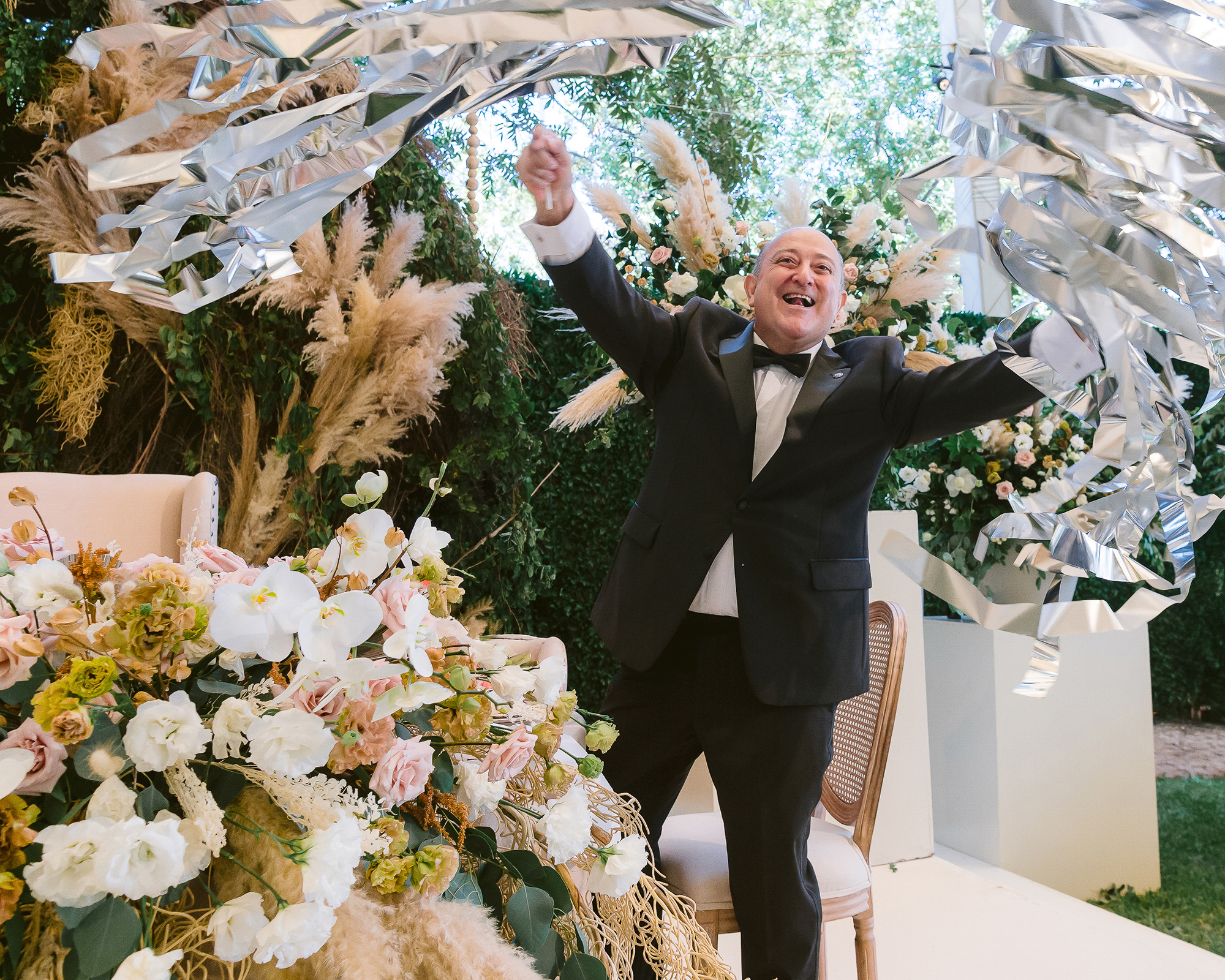
These frames often become family heirlooms for reasons that have nothing to do with perfection. They reveal expressions you did not see yourself because you were living the day from the center of it. For couples hosting multicultural celebrations, they also hold onto the small exchanges that make two families feel like one — a shared toast, a tradition explained through laughter rather than instruction.
A polished wedding can be visually spectacular. But the photographs that make someone pause are usually the ones where the polish cracks open and real feeling comes through.
The camera should protect the atmosphere, not change it
The best compliment I receive is not always about a particular photograph. It is when a couple says they barely noticed me working, then sees images of moments they thought no one had witnessed.
That quiet presence is a practical part of great candid work. Your photographer needs to move through a room without pulling attention toward the camera, read a complicated timeline, communicate comfortably with planners and family, and understand when to give a moment privacy.
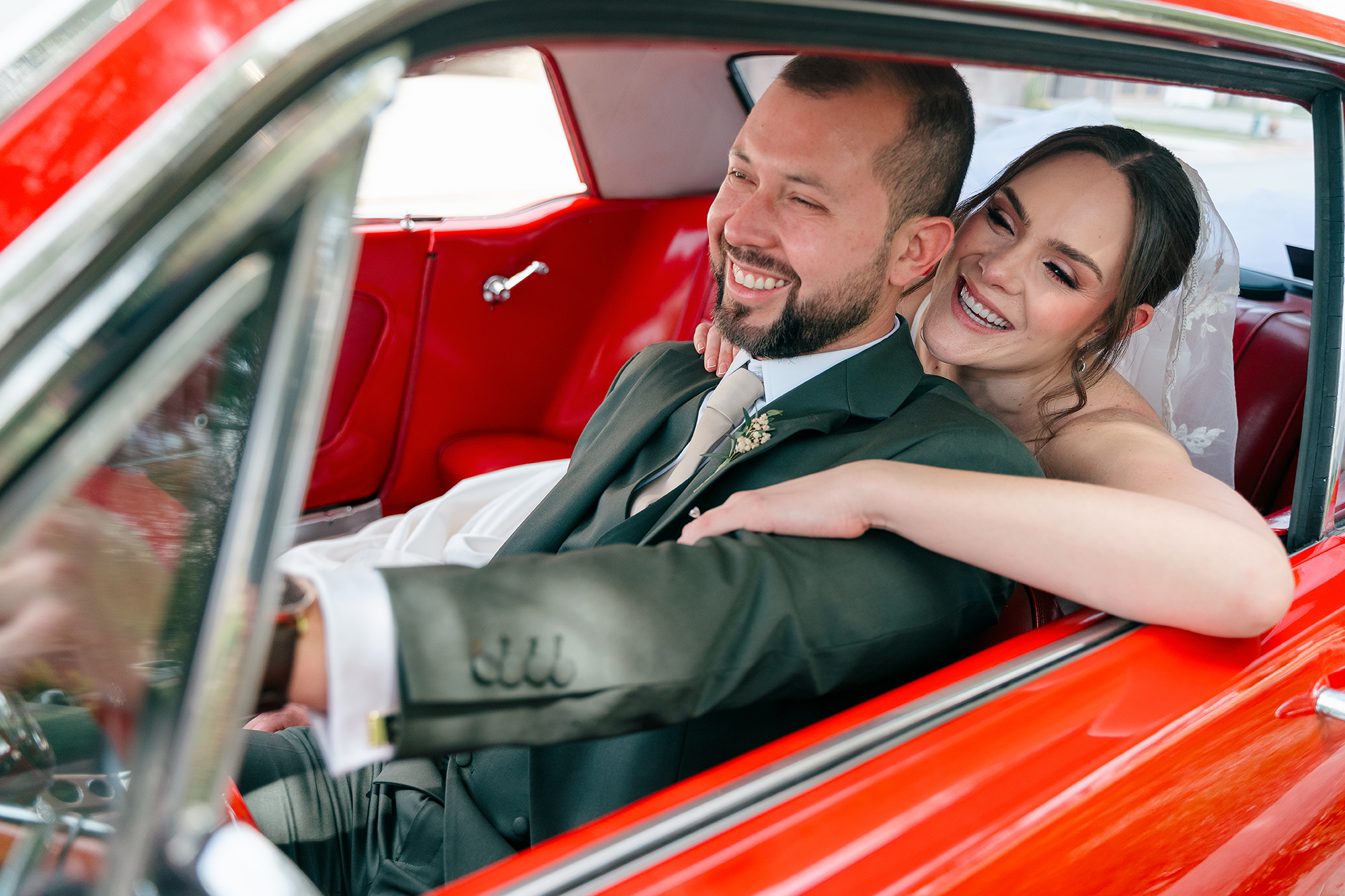
There are times when a photographer should step in. If family formals are drifting, clear direction is a kindness. If the light is disappearing, a concise portrait session protects the images you hired them to make. But direction should serve the day, not dominate it. No one wants to remember their wedding as an extended series of instructions.
How to make space for real moments
You do not have to engineer spontaneity. In fact, trying too hard usually has the opposite effect. You can, however, make choices that leave room for the day to breathe.
Build a timeline with margin, especially around getting ready, transportation, and the period after the ceremony. Keep your family photo list specific rather than endless. Consider a first look if it gives you more time with guests — but do not choose one simply because someone says it is required.
Choose a photographer whose work makes you feel something. Notice whether the people in the images look present. Notice if the gallery has humor, tension, tenderness, and movement.
Your wedding will have the grand images you imagined. Let it have the smaller ones too — the glance across the room, the lipstick on a champagne glass, the sudden laugh that interrupts a serious speech. Those are the pieces that will keep the celebration alive when the music has long faded.
If you want coverage that knows when to lead and when to disappear, I would love to hear about your celebration.
Tell me about your wedding