A champagne tower is wobbling, your best friend is already crying during hair and makeup, and your partner is trying to act calm while clearly not calm at all. That is usually where the real conversation about editorial vs documentary wedding photography begins — not on Pinterest, not in a mood board, but in the living, unpredictable energy of a wedding day.
Couples often think they need to pick one camp. Stylish or honest. Refined or emotional. Fashion-forward or real. The truth is more interesting than that, and a lot more useful when you are planning a destination wedding in a place as layered and visually rich as San Miguel de Allende, Napa Valley, or the Amalfi Coast.
What matters is not the label. What matters is how your photographer sees people under pressure, under beautiful light, in fleeting moments that will never repeat.
What editorial vs documentary wedding photography actually means
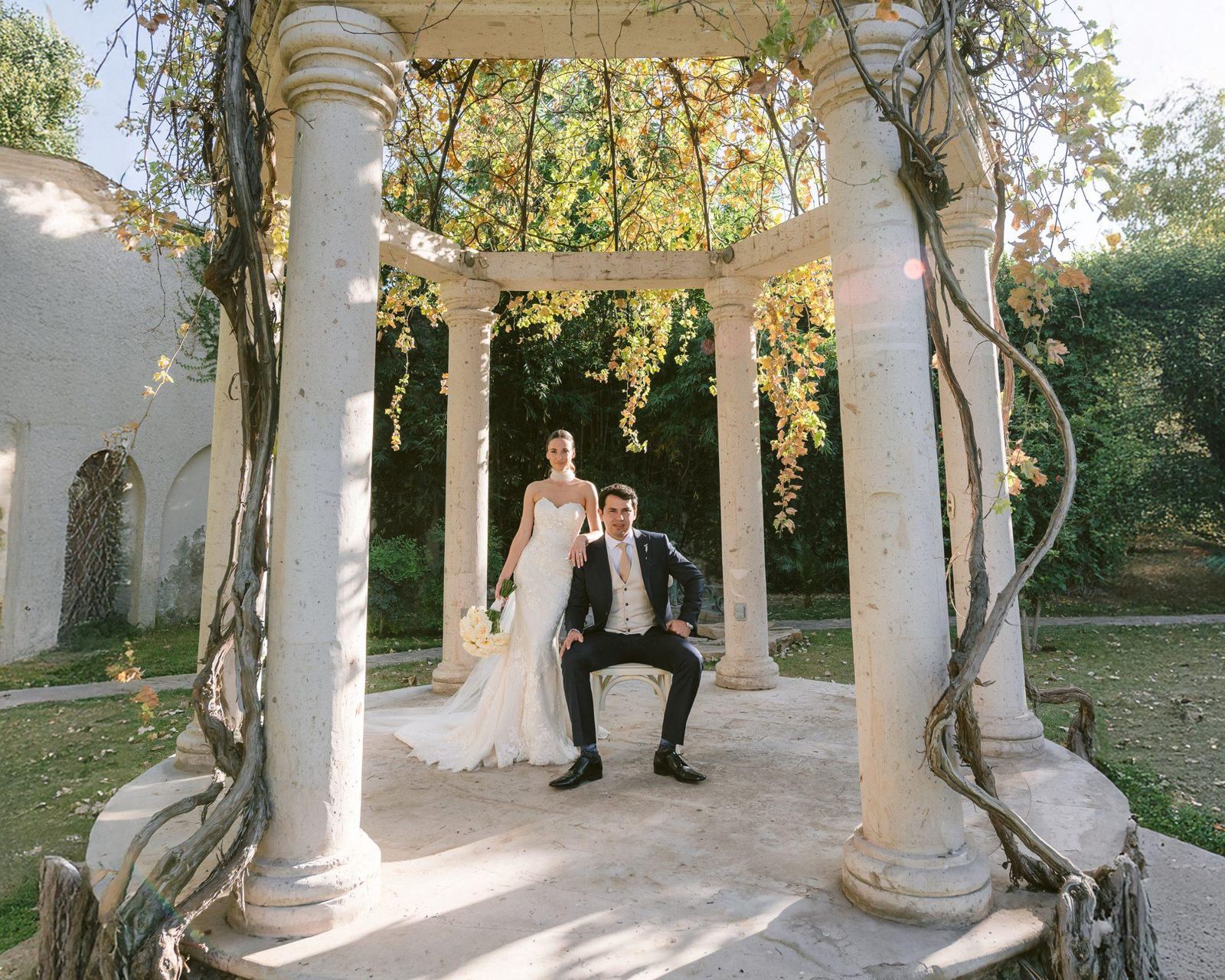
Editorial wedding photography borrows its visual language from fashion magazines, luxury campaigns, and cinema. The frames are intentional. Composition matters. Light matters. Styling matters. The image often feels elevated, polished, and designed with a strong point of view.
That does not automatically mean fake or stiff. Good editorial work can still feel alive. But it usually involves more direction — adjusting posture, moving into better light, simplifying a background, or shaping a moment so the final image feels clean and striking.
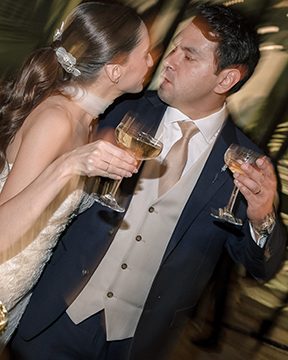
Documentary wedding photography comes from a different instinct. It is about observation first. Instead of constructing the moment, the photographer watches for it. The goal is to preserve what actually happened — the chaos, the tenderness, the awkward laughter, the quiet hand squeeze under the dinner table, the look your mother gives you when nobody else sees.
At its best, documentary coverage feels deeply human. It does not flatten the day into a highlight reel. It keeps the texture.
The real difference: control
If I had to reduce editorial vs documentary wedding photography to one word, it would be control.
Editorial photography has more of it. The photographer influences the frame, the body language, the pace, sometimes even the emotional temperature of the moment. That can be a beautiful thing when you want portraits that feel sculpted and worthy of the setting you chose so carefully.
Documentary photography gives up more control in exchange for truth. The photographer adapts instead of directing. The results can be less perfect in a conventional sense, but often more emotionally exact — a little motion blur, a crooked veil, hair caught by the wind, guests leaning into the frame. These details carry more memory than a flawless pose ever could.
Editorial asks, how can this look extraordinary? Documentary asks, what did this actually feel like? The best wedding photography knows how to answer both.
Why couples choose editorial wedding photography
There is a reason editorial imagery has such pull, especially for destination weddings. When you have spent months choosing a villa in Los Cabos, curating the design, finding the right dress, planning a dinner under the stars, you want photographs that honor that aesthetic investment. You want the day to look as good as it felt.
Editorial coverage does that beautifully. It brings out the architecture, the landscape, the styling, the elegance of movement. It makes room for negative space, strong composition, and images that feel cinematic rather than casual.
For couples who are design-aware, or who love fashion, or who simply do not want their wedding photos to feel random, editorial work can be compelling. It adds intention. It makes the visual world of the wedding feel coherent.
The trade-off: if editorial coverage is pushed too far, the day can start feeling managed for the camera. You may spend more time being placed than being present. And if the photographer relies too heavily on trends, the images may look impressive now but strangely dated in ten years.
Why documentary wedding photography stays with people
Documentary coverage tends to age well because it is rooted in behavior, not performance. The images that haunt you in the best way are often not the obvious ones. They are the in-between frames. Your dad rehearsing his speech alone. Your grandmother reaching for your hand. Your friends losing their minds on the dance floor. That split second after the ceremony when your faces finally drop the formal smile and reality hits.
This is where documentary wedding photography earns its place. It is not trying to prove the wedding was beautiful. It is preserving the raw, messy, and electric reality of it.
For many couples — especially those who care more about experience than spectacle — that matters more than a gallery full of perfectly arranged moments. They do not want to remember how well they posed. They want to remember how it felt to be there.
How these styles work on an actual wedding day
On a real wedding day, editorial and documentary are rarely separated by a clean line.
During portraits, an editorial approach often makes sense. You have extraordinary clothing, a remarkable setting, and limited time. A little direction can turn good light into something cinematic. It helps you look your best without slipping into stiffness.
During the ceremony, family interactions, cocktail hour, and dancing, documentary instincts matter more. These parts of the day move too fast and mean too much to over-direct. If a photographer interrupts every real moment to improve the frame, the cost is emotional truth.
That is why the strongest work lives in the tension between the two. A photographer may shape a portrait, then step back when your flower girl melts down, your uncle starts hugging everybody, or the dance floor erupts. One mindset shapes. The other witnesses.
For destination weddings in places like San Miguel de Allende or Todos Santos, this balance matters even more. Travel, weather, logistics, family dynamics, and unfamiliar locations introduce a lot of unpredictability. You want someone who can make beauty out of chaos without turning the entire day into a production.
How to choose the right wedding photography style for you
Start by looking past the buzzwords and paying attention to your own reaction. When you scroll through a wedding gallery, what holds you longer — the perfectly composed portraits or the images that make you feel like you can hear the room?
Then ask yourself a harder question. On the wedding day, do you want to be guided often, or mostly left alone? Some couples love direction. It helps them relax. Others shut down the second they feel observed too intensely.
Think also about who you are outside the wedding. If your style is polished and intentional, you may want stronger editorial influence. If you are deeply sentimental and care more about candor than control, documentary may feel more natural.
Most couples are not one thing all the time. They want the portraits to feel refined and the rest of the day to stay honest. That is a completely reasonable expectation — and the right photographer will deliver both.
Ask to see full wedding galleries, not just curated homepage highlights. Anybody can assemble a pretty portfolio. A full wedding shows whether a photographer can carry a story from elegance to chaos and back again.
What timeless wedding photography actually looks like
Timeless does not mean boring. It does not mean stripped of style. It means the work still feels true when trends move on.
That usually comes from photographs that are aesthetically disciplined without becoming emotionally empty — images with shape, restraint, and beauty, but also pulse. Photographs that respect the design of the day without forgetting the people inside it.
Not stiff posing. Not fake spontaneity. Just honest, artful coverage that knows when to lead and when to disappear.
A wedding is not a photo shoot with emotions added later. It is a once-in-a-lifetime collision of beauty, nerves, family history, and pure human voltage — and that is exactly what deserves to be photographed.
If you want to talk through any of this with someone who knows both worlds firsthand, I'm happy to.
Tell me about your celebration